Businesses continually seek ways to operate more effectively, reduce waste, and enhance their overall performance. This pursuit often leads them to specialized expertise found in process improvement consulting. These external advisors bring fresh perspectives and proven methodologies to analyze existing workflows, pinpoint inefficiencies, and implement strategic changes that yield measurable results. Engaging with such consultants can be a pivotal step for organizations aiming to streamline operations and achieve sustained success in a competitive market.
Overview
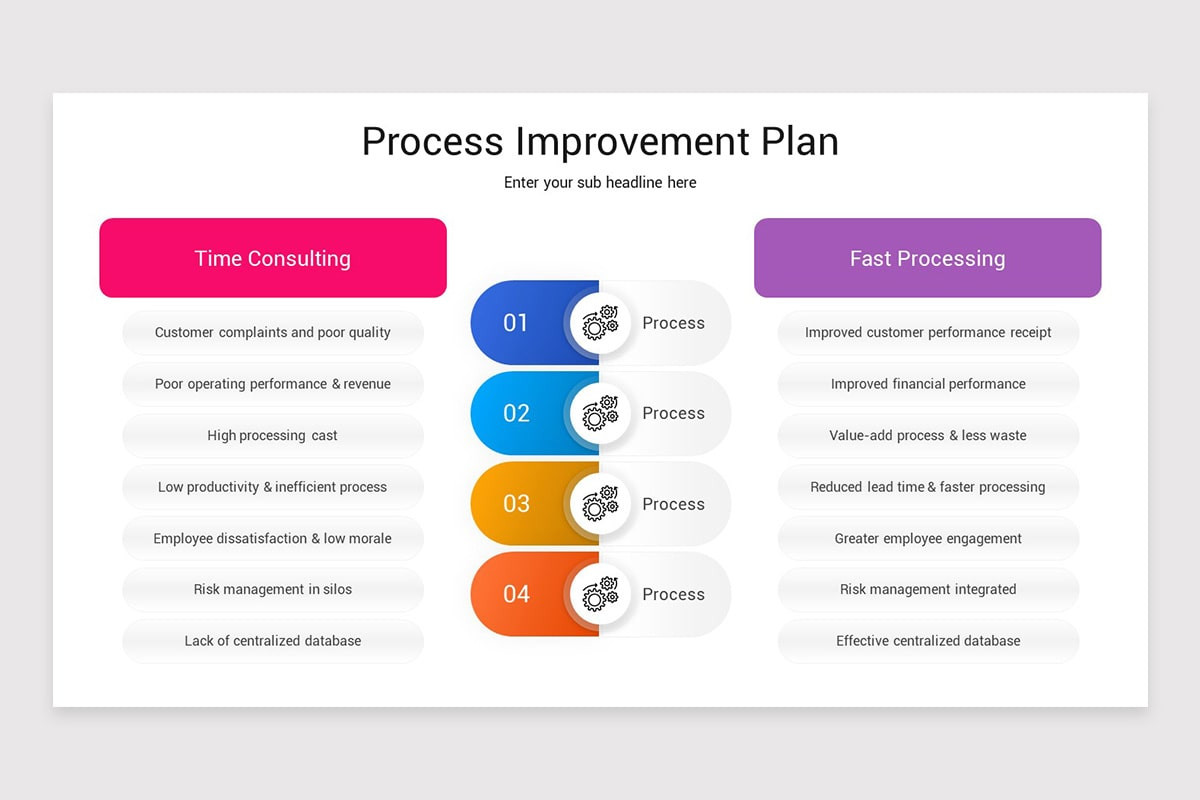
- Identifies bottlenecks and inefficiencies in current operations.
- Leads to significant cost savings through waste reduction and optimized resource use.
- Improves operational efficiency, allowing for faster task completion and higher output.
- Mitigates operational risks by creating more robust and reliable processes.
- Contributes directly to increased customer satisfaction by delivering better products and services.
- Aligns operational processes with overarching business goals, fostering strategic clarity.
- Empowers internal teams with tools and knowledge for continuous improvement.
- Facilitates data-driven decision-making, moving businesses beyond guesswork.
How process improvement consulting Drives Operational Efficiency and Cost Savings
One of the most immediate and tangible benefits of engaging in process improvement consulting is the significant boost in operational efficiency and the subsequent reduction in costs. Consultants are skilled at identifying “waste” in all its forms—be it wasted time, materials, effort, or even talent. They meticulously map current processes, often revealing redundancies, unnecessary steps, and bottlenecks that have become embedded in daily operations. For example, a manufacturing firm in the US might find that its product assembly line has multiple inspection points that add little value, or an administrative office could be duplicating data entry across different systems.
Through methodologies like Lean or Six Sigma, process improvement consulting helps organizations re-engineer these workflows. This means removing non-value-added activities, standardizing procedures, and automating repetitive tasks. The result is a smoother, faster operation where resources are used more judiciously. Less wasted effort translates directly into lower labor costs, reduced consumption of raw materials, and faster cycle times for products or services. These efficiencies not only save money but also free up internal staff to focus on more strategic, value-generating activities, ultimately improving the organization’s bottom line.
Achieving Better Risk Management Through process improvement consulting
Operational risks are a constant concern for any organization. These can range from compliance failures and data breaches to production errors and supply chain disruptions. Process improvement consulting plays a crucial role in strengthening an organization’s ability to identify, assess, and mitigate these risks. Consultants apply their analytical skills to scrutinize existing processes for weak points that could lead to errors, quality issues, or non-compliance with regulatory standards.
By redesigning processes to incorporate robust checks and balances, better documentation, and clearer accountability, consultants help build more resilient systems. For instance, in the financial services sector, a consultant might help a firm restructure its client onboarding process to ensure all regulatory disclosures are properly handled and recorded, thus reducing the risk of fines or legal issues. This proactive approach to risk management not only protects the business from potential financial losses and reputational damage but also creates a more stable and predictable operating environment. Companies, especially those in highly regulated industries in the US, rely on this external expertise to maintain integrity and avoid costly missteps.
The Impact of process improvement consulting on Customer Satisfaction and Growth
Beyond internal efficiencies and risk mitigation, process improvement consulting directly impacts customer satisfaction and, consequently, business growth. When processes are streamlined and optimized, organizations can deliver products and services faster, more consistently, and with higher quality. This leads to a superior customer experience. Imagine a retail company that, with consultant guidance, refines its order fulfillment and shipping processes. Customers receive their orders quicker, with fewer errors, leading to greater trust and loyalty.
Improved processes also enable organizations to be more responsive to customer feedback and market changes. By understanding the customer journey through process mapping, consultants help identify areas where service delivery can be enhanced. This focus on the customer translates into a stronger brand reputation, positive word-of-mouth, and an increased ability to attract new clients. Furthermore, the capacity gained from optimized processes often allows businesses to scale their operations more effectively, supporting growth without a proportional increase in costs or a decrease in service quality. This sustained ability to meet and exceed customer expectations is a key driver for long-term market expansion.
Gaining Strategic Clarity with process improvement consulting Expertise
In today’s fast-paced business environment, organizations need a clear strategic direction to remain competitive. Process improvement consulting provides invaluable support in aligning day-to-day operations with overarching business goals, thus fostering strategic clarity. Often, internal teams are so focused on daily tasks that they lose sight of how their processes contribute to the broader organizational vision. External consultants bring an objective viewpoint, helping leadership understand how current workflows either support or hinder strategic objectives.
By analyzing operational data and process flows, consultants can provide data-driven insights that inform strategic decision-making. They help identify which processes are critical to achieving specific goals, such as market entry, product innovation, or geographic expansion. This analytical rigor ensures that resources are allocated to activities that truly matter for the company’s future. For example, a tech startup in the US aiming for rapid market share growth might use process improvement consulting to optimize its software development lifecycle, ensuring quicker product releases that align with its aggressive market strategy. This strategic alignment helps leadership make more informed choices, foster organizational agility, and pursue long-term objectives with confidence.


