
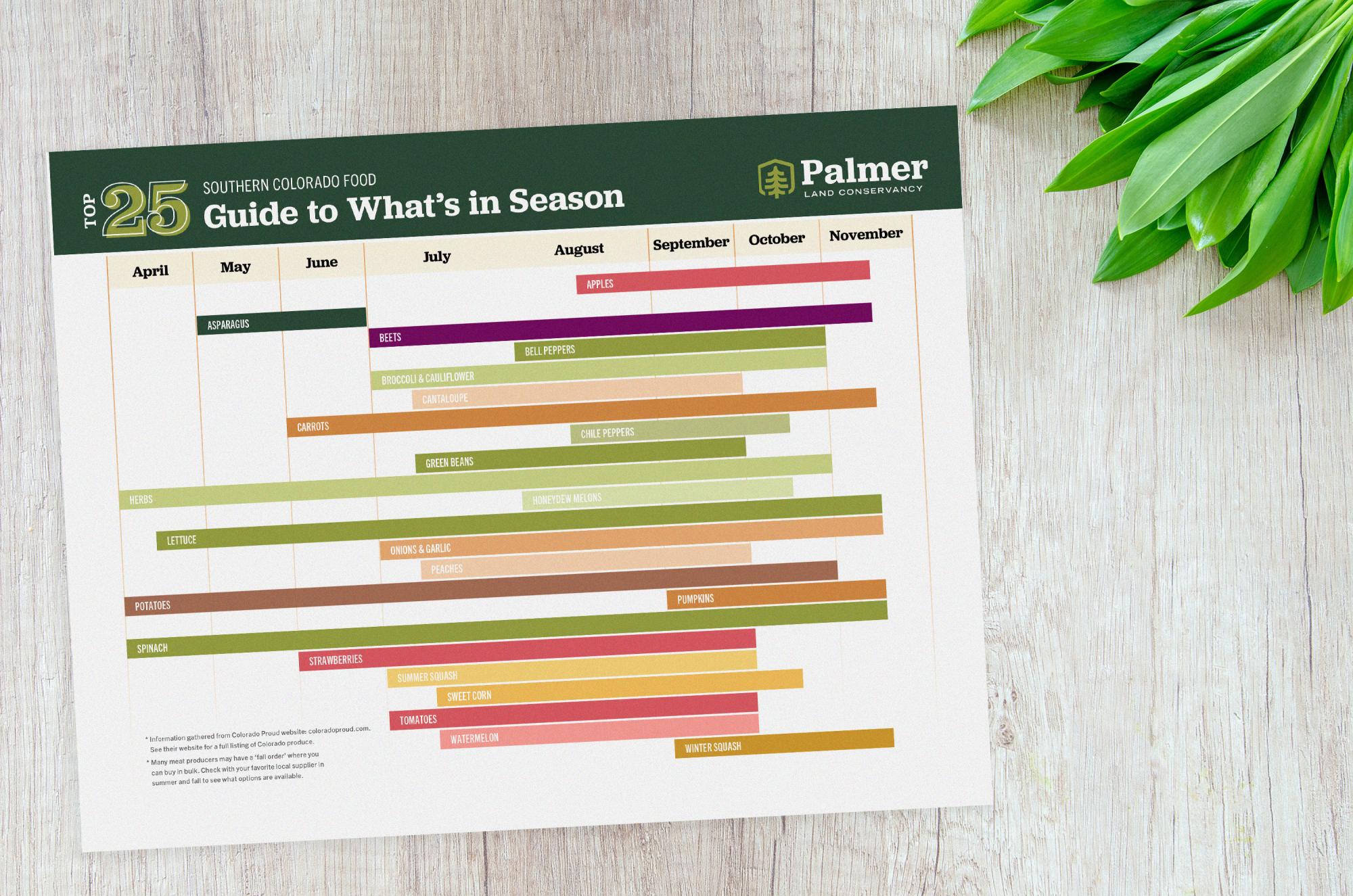
For cooks aiming to create vibrant, flavorful dishes, understanding the rhythm of the seasons is invaluable. Eating with the seasons means enjoying produce at its peak ripeness, when it offers the best taste, texture, and nutritional value. This approach not only supports local agriculture and reduces environmental impact but often translates to better prices and more exciting culinary possibilities. This quick US seasonal food guide will help you align your cooking with what’s naturally abundant across the diverse regions of the US throughout the year.
Overview
- Eating seasonally provides superior flavor, freshness, and often better prices for cooks.
- The US seasonal food guide varies by region, but general trends apply nationwide.
- Spring offers tender greens, asparagus, and early berries, perfect for light, fresh preparations.
- Summer brings an abundance of juicy fruits like tomatoes, corn, and stone fruits, ideal for grilling and salads.
- Fall showcases hearty root vegetables, squashes, apples, and pears, suited for roasting and baking.
- Winter provides sturdy greens, citrus fruits, and certain root crops, excellent for warming, comforting meals.
- Shopping at farmers’ markets is the best way to connect with local seasonal availability and producers in the US.
- Seasonal eating encourages culinary creativity and a deeper connection to food sources.
Spring US seasonal food guide for cooks
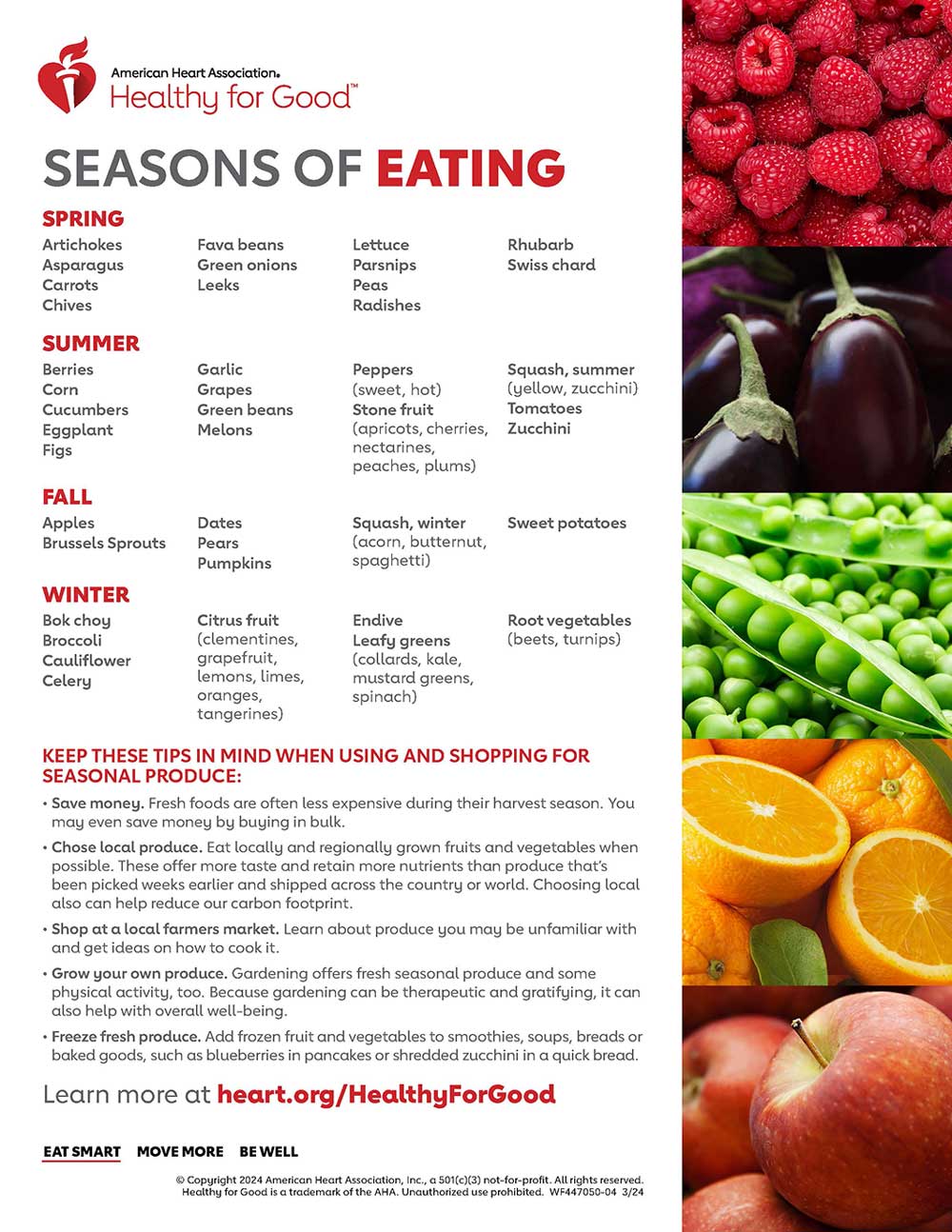
Spring in the US is a time of renewal, and this is reflected in the produce available. As the ground thaws and sunlight returns, delicate and vibrant ingredients emerge. Look for asparagus, often one of the first heralds of spring, along with tender greens like spinach, arugula, and various lettuces. Sweet peas, artichokes, radishes, and leeks also make their appearance. Towards the end of spring, you’ll start to see early strawberries and rhubarb, signaling the transition into warmer months. For cooks, spring produce is perfect for light preparations: blanched asparagus with lemon, fresh salads with thinly sliced radishes, or pasta dishes featuring peas and spring onions. The subtle flavors of these ingredients shine when kept simple, allowing their natural goodness to come through.
Summer US seasonal food guide for cooks
Summer brings a bounty of sun-ripened produce, making it a favorite season for many cooks across the US. This is when tomatoes are at their absolute best—bursting with flavor, whether they are heirlooms, Roma, or cherry varieties. Sweet corn, juicy peaches, plums, and an array of berries (blueberries, raspberries, blackberries) dominate the markets. Zucchini, cucumbers, bell peppers, and green beans are also plentiful. Watermelons and cantaloupes offer refreshing sweetness. Cooking during summer often leans towards minimal intervention to celebrate these ingredients. Think grilled corn on the cob, caprese salads with fresh basil and ripe tomatoes, peach cobblers, or simple fruit tarts. The vibrant colors and intense flavors of summer produce make meals feel celebratory and light. This segment of the US seasonal food guide is all about freshness and simple preparations.
Fall US seasonal food guide for cooks
As the days shorten and temperatures cool, the US seasonal food guide shifts towards heartier, earthier flavors. Fall is synonymous with squash of all kinds—butternut, acorn, delicata, pumpkin—each offering unique textures and sweetness. Apples and pears are abundant, perfect for baking, sauces, or simply eating fresh. Root vegetables like carrots, potatoes, sweet potatoes, parsnips, and beets are readily available and excellent for roasting. Cranberries become prominent later in the season, adding a tart counterpoint to rich dishes. Cabbage, Brussels sprouts, and sturdy greens like kale also thrive. Cooks can embrace comforting dishes such as roasted root vegetable medleys, apple pies, pumpkin soups, or stews featuring fall vegetables. The flavors of fall ingredients are robust and stand up well to longer cooking times, making them ideal for warming meals.
Winter US seasonal food guide for cooks
Winter in the US, despite colder temperatures, still offers a surprising variety of produce, especially in regions with milder climates. Citrus fruits—oranges, grapefruits, lemons, and tangerines—are at their peak, providing a much-needed burst of brightness and vitamin C. Sturdy greens like kale, collards, and Swiss chard continue to be available, along with more root vegetables such as carrots, parsnips, and potatoes. Leeks, onions, and garlic are staples. Pomegranates and some varieties of apples and pears stored from the fall harvest can also be found. For cooks, winter produce lends itself well to braising, slow cooking, and hearty soups and stews. Think citrus salads, roasted root vegetables with herbs, or comforting braises featuring long-cooking greens. Even in colder months, following the US seasonal food guide ensures flavorful and nutritious options are always on the menu.


