
Many artists aspire to see tangible progress in their portraiture in a short amount of time. While true mastery is a journey, significant portrait art improvement can be achieved surprisingly quickly with a focused approach and deliberate practice. It’s not about magic, but about smart strategies that target common weaknesses and build foundational strengths efficiently. This article will outline actionable steps you can take to see noticeable changes in your portrait art sooner rather than later.
Overview
- Understanding fundamental facial anatomy and proportions is crucial for rapid progress.
- Engage in daily, targeted practice, focusing on specific features and timed studies.
- Actively seek and apply constructive criticism from peers, mentors, or online communities.
- Utilize reference materials effectively, breaking down complex forms into simpler shapes.
- Experiment with different mediums and tools to find what suits your quick learning style.
- Develop keen observational skills by regularly studying faces and expressions around you.
- Focus on value and light to create depth and realism in your portraits.
Mastering Core Proportions for Rapid Portrait Art Improvement
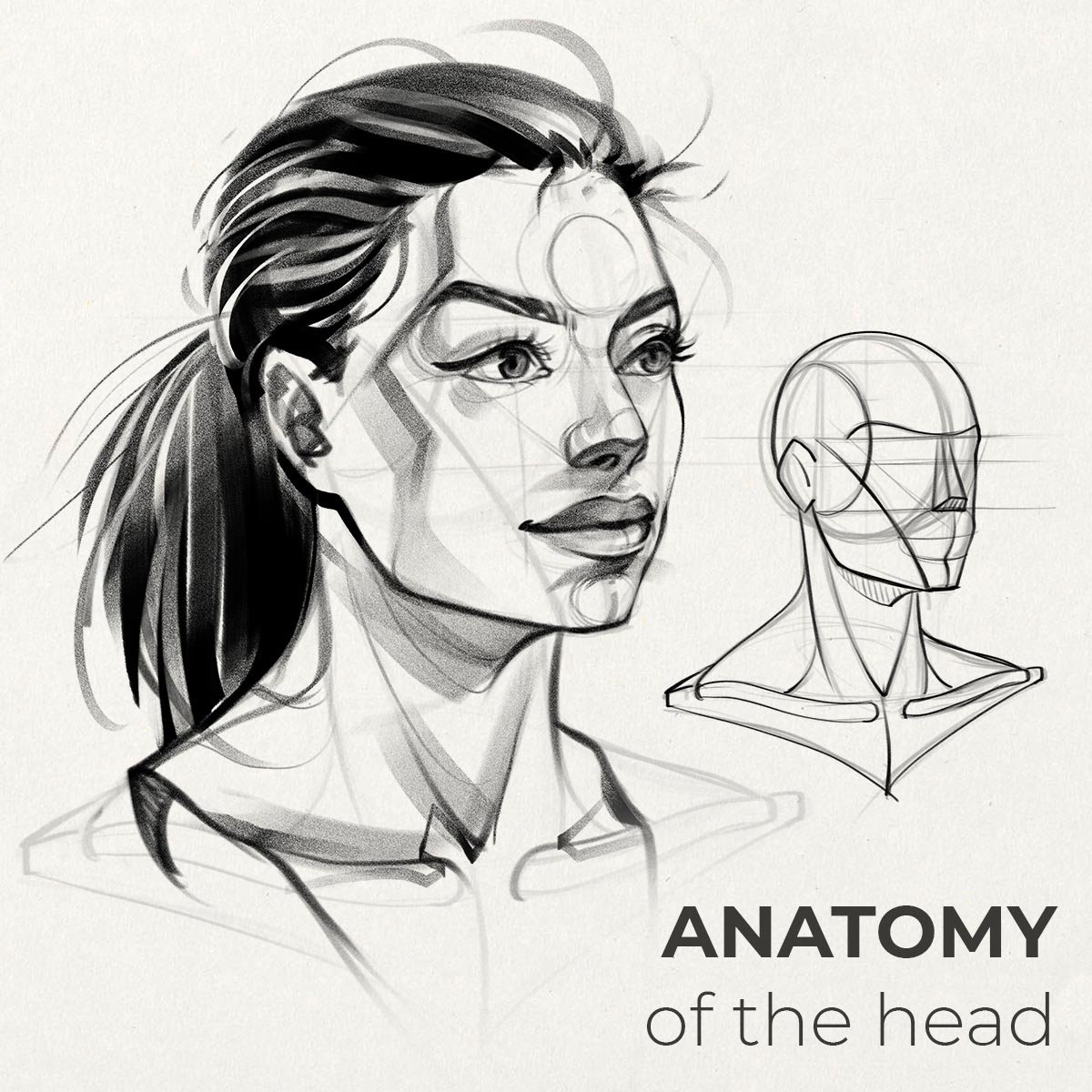
One of the fastest ways to achieve portrait art improvement is by solidifying your understanding of fundamental facial proportions and anatomy. Many common errors in portraits stem from incorrect placement or scaling of features. Start by studying the basic skull structure and how the muscles lay over it. There are well-established guidelines, such as the rule of thirds for facial features (eyes roughly halfway down the head, nose halfway between eyes and chin, mouth halfway between nose and chin). However, these are just starting points. Practice drawing the planes of the face – simplifying complex curves into flat surfaces. This approach helps you grasp volume and form, rather than just lines. Dedicate drawing sessions specifically to the eyes, nose, mouth, and ears in isolation, then integrate them into a full face using a consistent measurement system. Utilize methods like sighting and measuring with your pencil to transfer proportions accurately from your reference to your drawing surface. Consistent application of these basics will dramatically improve accuracy and resemblance.
Targeted Practice Routines for Swift Portrait Art Improvement
Simply drawing a lot isn’t enough; for quick portrait art improvement, your practice must be targeted and intentional. Instead of aimless sketching, create a structured routine. Dedicate short, daily sessions (even 15-30 minutes can make a difference) to specific aspects. For example, one day might be solely focused on drawing different angles of the nose. The next, explore various eye shapes and expressions. Timed studies are incredibly effective – try drawing a full face within 5, 10, or 20 minutes to force yourself to capture essentials quickly and simplify. Draw from life whenever possible, observing friends, family, or even strangers in public places (discreetly, of course). When drawing from photographs, choose high-quality references with clear lighting. In the US, many online art communities offer daily drawing challenges that can provide structure and varied subjects, pushing you out of your comfort zone and accelerating your learning curve. Repetition of these focused exercises builds muscle memory and sharpens your observational skills.
Seeking Effective Feedback for Accelerated Portrait Art Improvement
Feedback is a powerful catalyst for portrait art improvement, but it must be sought and applied correctly. Share your work regularly with trusted peers, instructors, or online art communities. When asking for critique, be specific about what you want feedback on (e.g., “Are the eyes too far apart?” or “Does the lighting read correctly?”). Listen actively to the suggestions, even if they’re hard to hear, and try to understand the reasoning behind them. Not all advice will resonate or be correct for your style, but an open mind is key. Implement the feedback you find valuable into your next pieces. Don’t be afraid to redo a section or even an entire portrait if it helps you learn. Analyzing your own work critically is also a form of feedback; step away from a piece for a while and return with fresh eyes to identify areas for improvement. This iterative process of creation, critique, and revision is essential for rapid growth.
Leveraging Tools and Techniques for Expedited Portrait Art Improvement
The right tools and techniques can significantly expedite your portrait art improvement. Don’t be afraid to experiment. If you typically draw with pencils, try charcoal for its expressive qualities, or digital painting for its flexibility with layers and adjustments. Digital art platforms, for instance, allow for quick resizing, flipping the canvas (a great way to spot errors), and easy color correction, which can speed up the learning process by allowing you to make changes without starting over. For traditional artists, using a grid method or a light box can help with initial proportioning, freeing you to focus on shading and form. Pay close attention to value – the lightness or darkness of tones. Doing grayscale studies before adding color can help you understand form and depth without the complexity of hue. Learning to see and simplify shapes is another critical technique; rather than drawing an eye, try to see it as a collection of simple geometric forms first. These methods aren’t cheating; they are aids that help you achieve better results faster and build confidence, paving the way for more intuitive work later on.


