

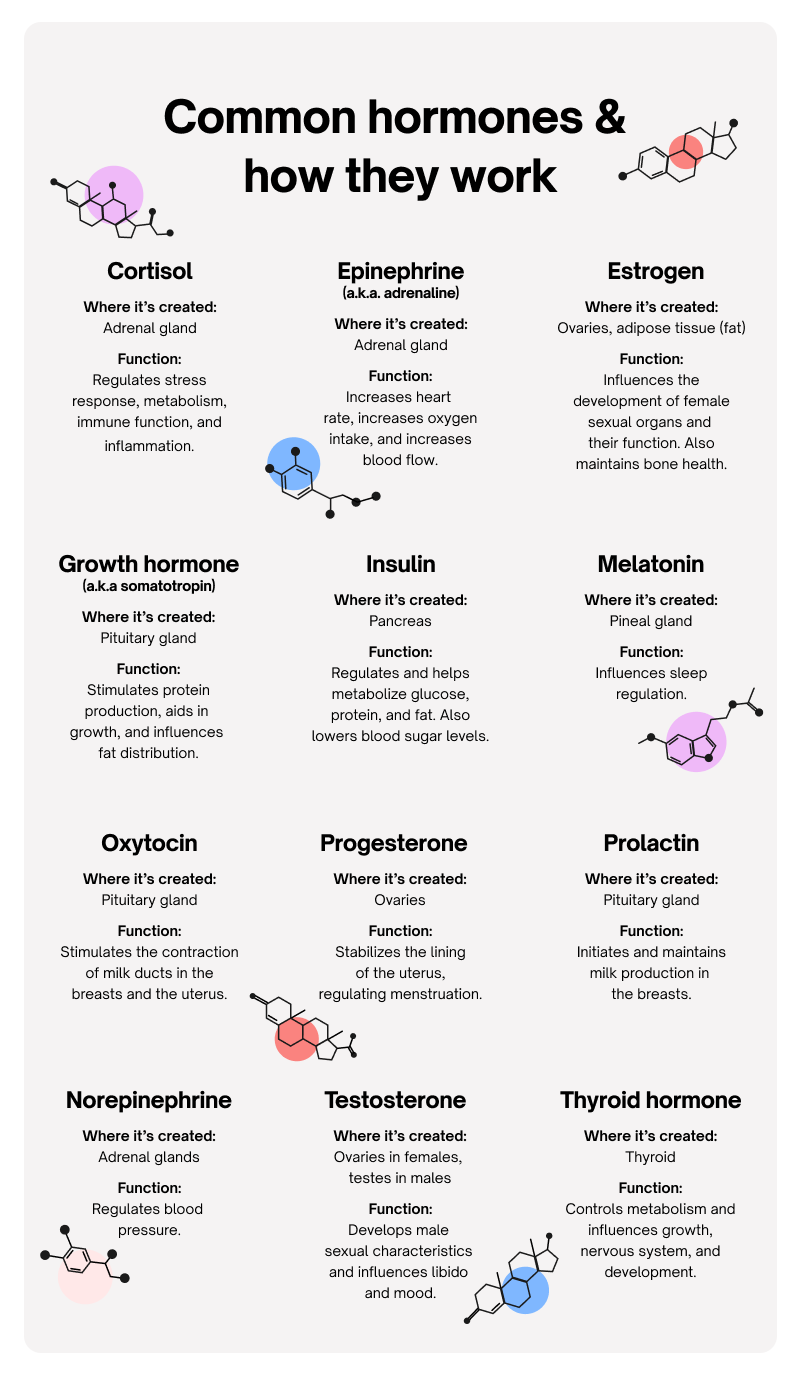
Hormones are chemical messengers vital for almost every bodily function, from metabolism and mood to sleep and reproduction. Maintaining a healthy hormone balance is crucial for overall well-being. When hormones are out of sync, it can lead to various issues impacting energy, weight, sleep, and emotional stability. Fortunately, many natural approaches can support your endocrine system and help restore equilibrium.
Overview
- A balanced diet rich in whole, unprocessed foods is fundamental for supporting hormone production and regulation.
- Practicing effective stress reduction techniques helps prevent the damaging effects of chronic cortisol elevation on other hormones.
- Prioritizing consistent, high-quality sleep is essential for regulating critical hormonal cycles, including growth hormone and melatonin.
- Regular, moderate physical activity improves hormone sensitivity and contributes to overall metabolic and endocrine health.
- Reducing exposure to environmental toxins and endocrine-disrupting chemicals can significantly safeguard your body’s natural hormone processes.
- Adequate hydration and the consumption of beneficial fats are key building blocks for hormone synthesis and function.
- Mindfulness and connection to nature offer mental health benefits that indirectly support a stable hormonal environment.
Nourishing Your Body for Healthy Hormone Balance
What we eat significantly impacts our hormones. A diet centered around whole, unprocessed foods provides the necessary building blocks and signals for proper endocrine function. Focus on lean proteins such as poultry, fish, and legumes, which supply amino acids crucial for hormone synthesis. Healthy fats, found in avocados, nuts, seeds, and olive oil, are not only vital for cell membrane health but also directly contribute to the production of steroid hormones like estrogen, progesterone, and testosterone. Including plenty of fiber from fruits, vegetables, and whole grains supports gut health, which plays a pivotal role in hormone metabolism and elimination, particularly for estrogen.
Limiting your intake of processed foods, refined sugars, and unhealthy trans fats is equally important. These items can promote inflammation, disrupt insulin sensitivity, and negatively impact the delicate balance of hormones like insulin, leptin, and cortisol. Incorporate nutrient-dense foods rich in specific vitamins and minerals: zinc for thyroid and sex hormone function, magnesium for stress response and insulin sensitivity, and Vitamin D, which acts more like a hormone itself, influencing numerous bodily systems. Staying adequately hydrated with water is also fundamental for cellular function and the efficient transport of hormones throughout the body.
Managing Stress for Healthy Hormone Balance
Chronic stress is one of the most significant disruptors of hormonal harmony. When we experience ongoing stress, our adrenal glands produce excess cortisol, the primary stress hormone. While essential in acute situations, prolonged high cortisol levels can suppress thyroid function, interfere with sex hormone production (leading to issues like irregular menstrual cycles or reduced libido), and impact blood sugar regulation. Effectively managing stress is therefore a cornerstone of maintaining a healthy hormone balance.
Simple yet powerful techniques can make a big difference. Practices like meditation, deep breathing exercises, and yoga help activate the parasympathetic nervous system, promoting a state of calm. Spending time in nature, engaging in hobbies you enjoy, and fostering strong social connections can also reduce stress levels. It’s important to recognize your personal stressors and develop coping mechanisms that work for you. Setting realistic boundaries, learning to say no, and ensuring you schedule downtime for rest and relaxation are not luxuries, but necessities for keeping your stress hormones in check.
Prioritizing Sleep and Movement for Healthy Hormone Balance
Quality sleep is non-negotiable for a healthy hormone balance. During sleep, our bodies repair, regenerate, and regulate many crucial hormones. For example, growth hormone, essential for tissue repair and metabolism, is primarily released during deep sleep. Melatonin, the sleep hormone, works in a reciprocal relationship with cortisol to maintain our circadian rhythm. Insufficient or inconsistent sleep can throw these hormones out of sync, leading to increased cortisol, reduced insulin sensitivity, and disruptions in appetite-regulating hormones like ghrelin and leptin. Aim for 7-9 hours of uninterrupted sleep each night, maintaining a consistent sleep schedule even on weekends. Create a relaxing bedtime routine, ensure your bedroom is dark, quiet, and cool, and limit screen time before bed.
Regular physical activity also plays a vital role. Moderate exercise, such as brisk walking, swimming, cycling, or strength training, can improve insulin sensitivity, reduce inflammation, and support healthy thyroid function. It also helps manage stress, contributing to better cortisol regulation. However, it’s important not to overdo it. Excessive or intense exercise without adequate recovery can actually stress the body, potentially leading to hormone imbalances, especially in individuals prone to adrenal fatigue or menstrual irregularities. The key is consistency and finding an activity level that energizes rather than depletes you.
Environmental Factors and Healthy Hormone Balance
Our environment can significantly influence our hormonal health. Exposure to endocrine-disrupting chemicals (EDCs) found in everyday products is a growing concern. EDCs, such as phthalates and bisphenol A (BPA) found in plastics, parabens in cosmetics, and certain pesticides, can mimic or block natural hormones, disrupting the body’s delicate signaling pathways. This interference can impact fertility, metabolism, and even increase the risk of certain hormone-sensitive conditions. Awareness of these chemicals, especially in countries like the US where their presence is widespread, is a first step toward mitigation.
To reduce your exposure, opt for fresh, organic foods whenever possible to minimize pesticide intake. Choose glass or stainless steel containers for food storage instead of plastic. Look for personal care products and cleaning supplies that are labeled “fragrance-free” and free of parabens and phthalates. Using a water filter can also help reduce exposure to contaminants. Making conscious choices about the products you bring into your home and the foods you consume can significantly reduce your toxic load and support your body’s innate ability to maintain a healthy hormone balance.


