
Choosing a pool builder involves a big financial decision, so clear information matters from the first conversation. Aquarius Pools offers consultations that help homeowners understand options, costs, and timelines before they commit. Specifically, this article explains how a quote and consultation usually work, what to prepare, and which questions to ask.
Key Takeaways
- A consultation starts with a conversation about lifestyle, budget, and the way the family plans to use the pool.
- Homeowners get the most value when they bring site photos, inspiration images, and a realistic budget range.
- A site visit lets the pool designer assess slope, access, soil, and space before preparing numbers.
- A detailed quote lists excavation, structure, finishes, equipment, and landscaping allowances separately.
- Inclusions and exclusions need careful review, because unclear items often cause budget surprises.
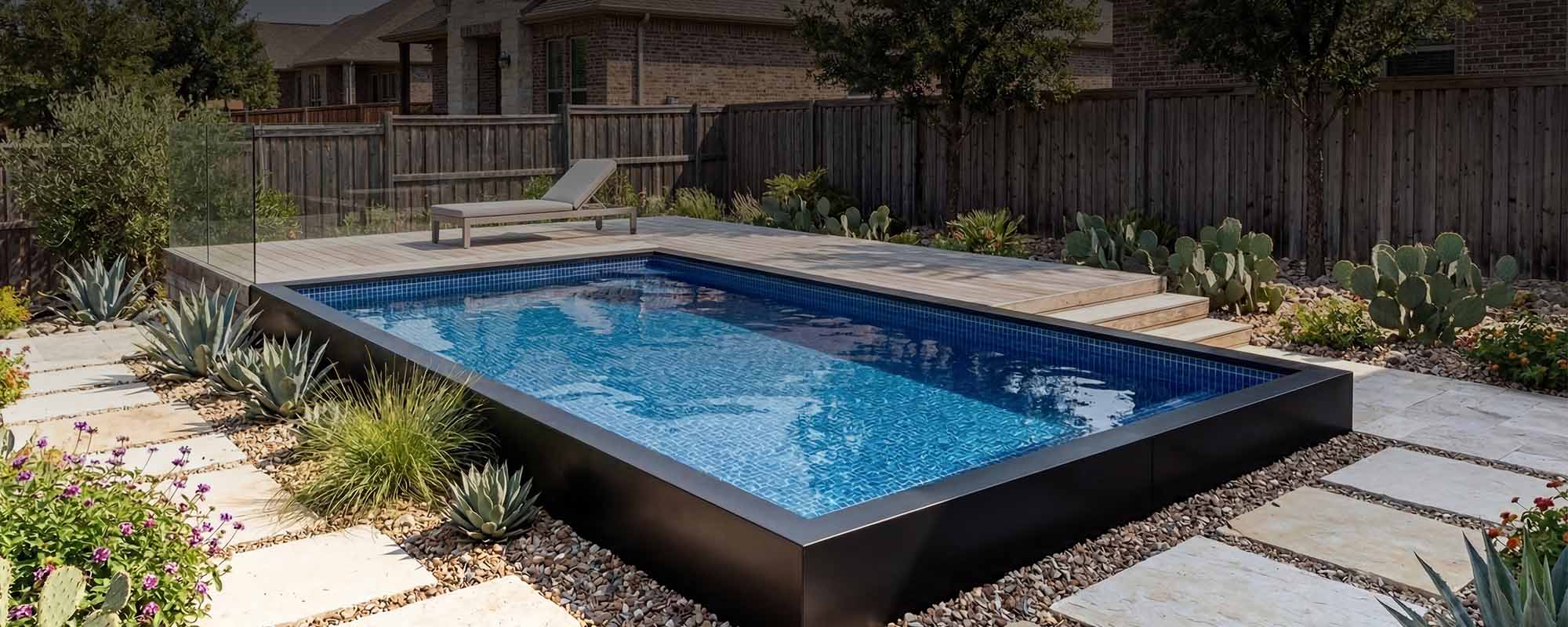
- Homeowners can see their pool projects examples to compare style, finish, and quality before deciding.
- Asking about timelines, approvals, warranties, and payment stages builds confidence early.
- Comparing quotes works best when owners check scope and materials, not only the final price.
Preparing for the First Conversation
A little preparation makes the first meeting far more useful. Start by listing how the family will use the pool. Laps, play, entertaining, and quiet relaxation each call for different layouts.
In addition, gather a rough budget and a few inspiration images. Photos of the yard, the house, and any existing plans help the designer understand the site. As a result, the discussion moves quickly from general ideas to practical choices.
What Happens During the Consultation
The consultation is a two-way exchange. The designer asks about priorities, preferred styles, and timing. Meanwhile, the homeowner can ask about construction methods, materials, and how the build process works.
Many consultations also cover early ideas for shape and size. For example, a compact yard may suit a narrow lap pool, whereas a larger block can hold a lagoon-style design. Therefore, honest discussion of space and budget keeps expectations realistic.
The Site Visit and Measurements
A site visit gives the designer real information. Staff measure the yard, check access for machinery, and note slopes, trees, and boundaries. In particular, they look for underground services and drainage paths that could affect placement.
Soil and ground conditions matter too. Rock, clay, or high groundwater can change excavation methods and cost. Consequently, a careful visit helps the quote reflect real conditions rather than guesses.
Reviewing Examples and Past Work
Examples help homeowners judge quality. Many builders publish galleries, and owners can see their pool projects online before booking a meeting. Furthermore, photos show finishes, tile work, and landscaping that words cannot describe.
Look closely at details. Check edges, tile lines, coping, and how the pool sits within the garden. Indeed, consistent detail across several projects signals reliable workmanship.
How a Pool Quote Is Structured
A good quote breaks the project into clear parts. Typical sections include design, approvals, excavation, structure, plumbing, electrical, finishes, and equipment. Additionally, landscaping, fencing, and decking may appear as separate lines.
Clear structure helps owners compare options. It also shows where money goes and which choices affect cost most. In other words, a detailed quote protects both the builder and the homeowner.
Inclusions, Exclusions, and Allowances
The fine print deserves attention. An inclusion is something the price covers, whereas an exclusion is something the owner pays for separately. Fencing, council fees, and extra rock removal often fall into the second group.
Allowances need care as well. They are estimated amounts for items not yet selected, such as tiles or lighting. Therefore, ask how the final selection could raise or lower the total.
Questions Worth Asking Before You Decide
Good questions reveal how a builder works. Ask who manages the build, how often updates arrive, and what warranties apply. In addition, confirm the expected schedule and how weather delays get handled.
Payment terms deserve a look too. Reputable builders tie payments to construction stages rather than asking for large sums upfront. Moreover, written answers prevent confusion later.
Comparing Quotes Fairly
Price alone rarely tells the full story. Two quotes may look similar, yet one may include better equipment or more detailed finishes. For instance, a lower price might leave out landscaping or use basic plumbing components.
Line up the quotes side by side and compare scope item by item. Not only does this reveal hidden gaps, but it also shows which builder offers the clearest value. Subsequently, owners can make a confident, informed choice.


